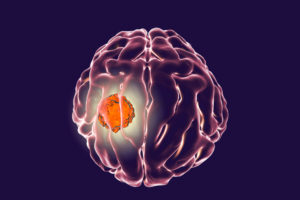
Endocrinopathy risk highlighted among childhood brain tumour survivors
Around 70% of children who survive a brain tumour develop at least one form of endocrine dysfunction, suggests a long-term study of patients attending a hospital in Portugal.

Around 70% of children who survive a brain tumour develop at least one form of endocrine dysfunction, suggests a long-term study of patients attending a hospital in Portugal.
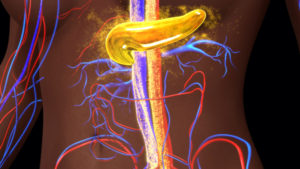
Faster diagnosis and use of individualised treatments for congenital hyperinsulinism has led to major improvements in neurological and endocrine outcomes over time, say Finnish researchers.
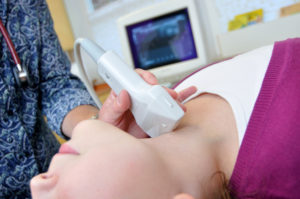
Researchers have detected a global increase in the incidence of thyroid cancer among children and adolescents similar to that reported for the adult population, raising concerns that screening-related overdiagnosis may also be occurring in young people.
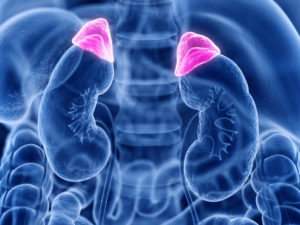
Italian researchers report presenting characteristics and outcomes for children with primary adrenal insufficiency not caused by 21-hydroxylase deficiency congenital adrenal hyperplasia.
The melanocortin 4 receptor agonist setmelanotide has significantly reduced hunger and resulted in weight loss in a phase 3 trial involving patients, including children, with pro-opiomelanocortin or leptin receptor deficiency obesity.

The diagnosis of central congenital hypothyroidism with or without multiple pituitary hormone deficiencies is frequently missed in children, even among those admitted to hospital, say Dutch researchers.

The C-type natriuretic peptide analogue vosoritide significantly increases the growth rate of children with achondroplasia, indicate the results of a randomised, double-blind phase 3 study published in The Lancet.

Less than 10% of brain magnetic resonance imaging scans in children with isolated growth hormone deficiency reveal a pathological cause, say researchers.

Receiving treatment with recombinant human growth hormone in childhood is unlikely to be associated with an increased risk for mortality in the long term, show the results of the full SAGhE cohort.
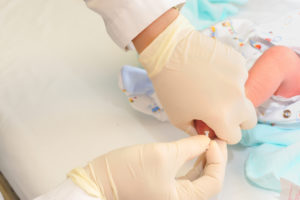
Severe growth hormone deficiency can be detected with high accuracy using newborn screening cards, suggest researchers who recommend a diagnostic growth hormone cutoff of less than 7 µg/L.